Railway 5G connectivity with the ATRM50
 GNS Engineering Team 1 min read
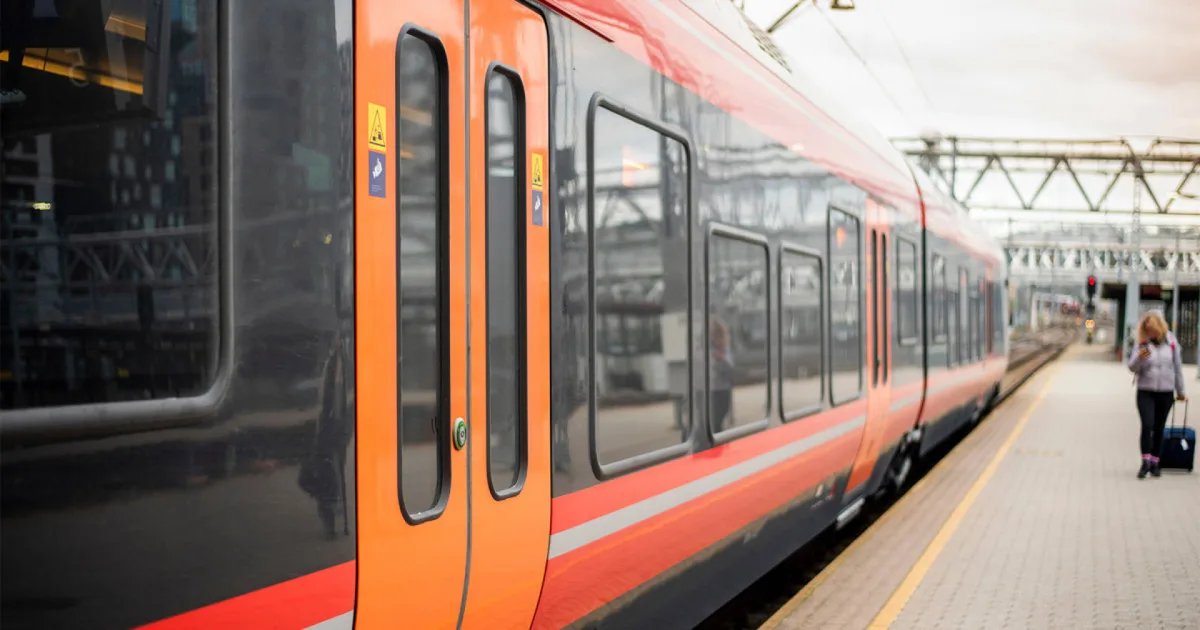
Modern trains need connectivity for passengers, on-board systems, live location and operational data. Teltonika’s official case explains why multi-wagon metal vehicles, tunnels, rural coverage and cross-border roaming cannot be handled by an ordinary office router.
Why rail connectivity is different
- Metal carriages obstruct and attenuate radio signals, while each wagon still needs consistent throughput.
- Trains cross rural areas, tunnels and carrier networks, requiring fast failover and roaming.
- Continuous vibration demands locking connectors and secure mounting.
- On-board electronics must address EN 50155, while railway fire safety involves EN 45545-2.
- Operators need central monitoring, configuration and troubleshooting across the fleet.
The ATRM50’s role
The ATRM50 is a 5G router designed for transportation, supporting up to 3.4 Gbps, dual SIM and eSIM, with backup WAN failover. Ethernet and power use M12 locking connectors suited to vibration, linking systems such as on-board CCTV, digital signage and timetable displays.
Built-in GNSS provides live train position for route updates, automated announcements and coordination with traffic control. RMS lets IT teams monitor, update, configure and troubleshoot the fleet remotely instead of boarding every train.
Relevance to Hong Kong rail and public transport
Hong Kong rail and light-rail projects generally require documented certification, interfaces, power and installation evidence. The ATRM50 combines 5G, M12, GNSS and RMS on one platform, making it easier to define a repeatable design for carriages or on-board equipment cabinets. Operational approval still depends on the operator’s specification, certificate revision and project validation.
Related product and solution
Official source
Teltonika Networks — 5G on the rails: how the ATRM50 powers modern train connectivity